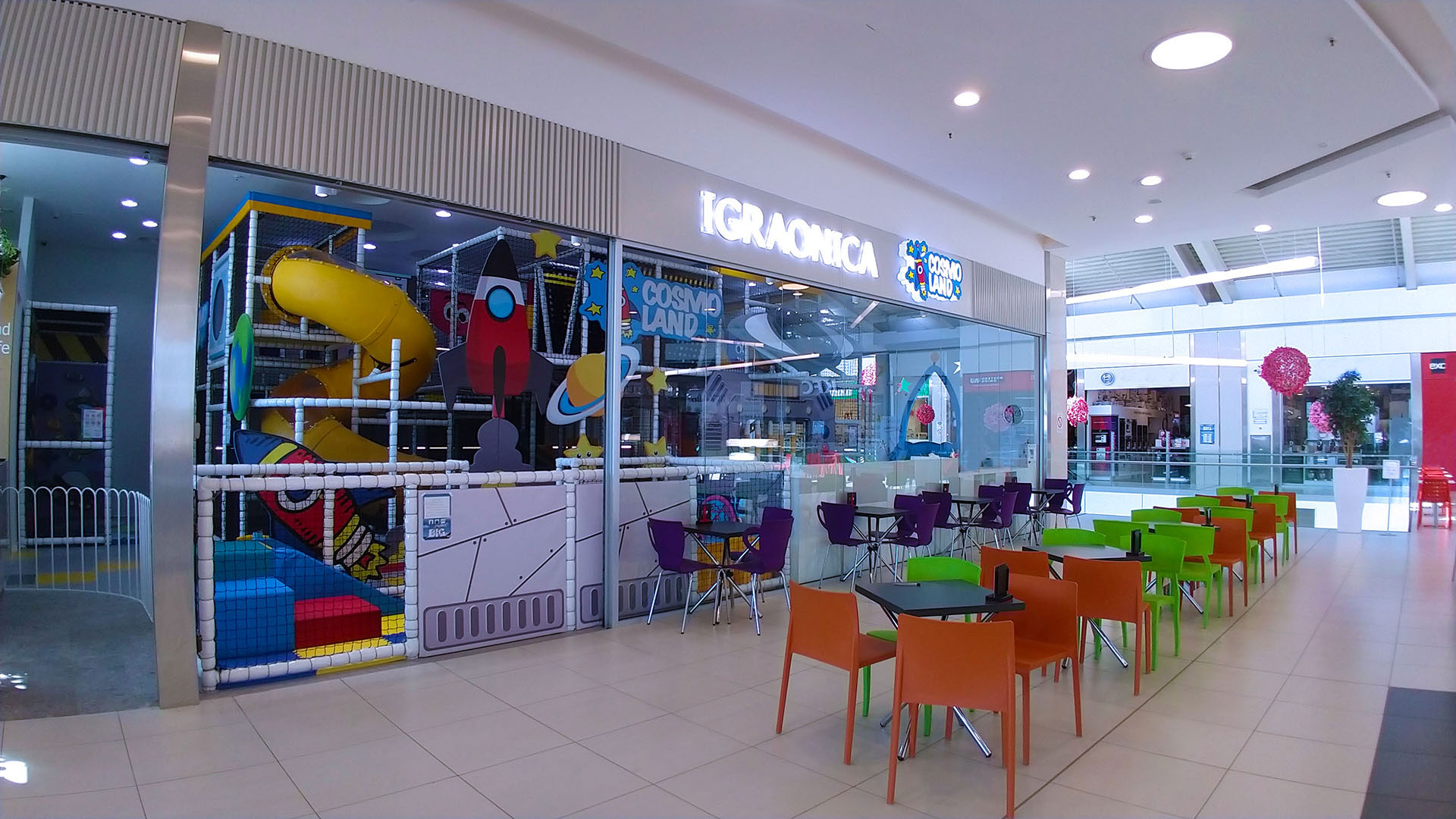
How to Build a Children’s Play Area in Your Restaurant
Family-friendly restaurants are growing fast. Parents don’t just look for good food anymore — they want a place where children can stay active, engaged and safe while they enjoy their meal.
A thoughtfully designed indoor play zone can significantly extend visit time, increase customer satisfaction and even generate additional revenue. However, creating a children’s play area requires more than placing a slide in the corner. Safety, layout, equipment selection and overall experience must be carefully planned.
Here’s a practical guide to building a play space that works for both kids and your business.
Safety is non-negotiable
Before anything else, every element of the play area must comply with playground safety regulations.
Only certified indoor playground equipment should be installed. Surfaces must be soft and shock-absorbing, edges rounded and structures properly anchored. Regular inspections and maintenance are essential to avoid injuries.
Professional playground suppliers understand construction standards, fall zones and legal compliance — partnering with experienced specialists significantly reduces risk.
Choose equipment for different age groups
Children of different ages play differently.
Toddlers need soft, low and simple elements. Older kids look for climbing, sliding and challenges.
A balanced mix ensures everyone stays entertained and reduces conflicts between age groups.
When selecting indoor play equipment, focus on durable and easy-to-clean materials that can handle daily use. Investing in certified soft play area equipment is especially important for younger children, as it provides a safe, cushioned environment while minimizing the risk of injuries.
| Age group | Recommended equipment |
| 1–3 years | Soft play blocks, foam animals, mini slides |
| 3–6 years | Ball pits, tunnels, small climbing frames |
| 6–10 years | Rope bridges, towers, obstacle courses |
| 10+ years | Climbing walls, interactive games, challenges |
This diversity increases usage and improves overall guest satisfaction.
Smart placement inside the restaurant
Location matters just as much as design.
Parents should be able to supervise their children without leaving the table. The play zone should therefore be:
• visible from seating areas
• separated from heavy foot traffic
• away from kitchens, stairs or exits
• acoustically managed to limit noise
Good placement improves safety and creates a more relaxed dining experience.
Turn the play area into a revenue driver
A children’s zone isn’t just a cost — it can become a profit center.
Many restaurants successfully:
• charge small entrance fees
• host birthday parties
• offer themed event rooms
• organize kids workshops
• rent the space for private events
These activities increase occupancy during slower hours and boost secondary sales (cakes, drinks, decorations).
Create an immersive
Theming transforms a basic playground into a memorable attraction.
Instead of standard equipment, consider storytelling environments such as:
• pirate ships
• castles
• jungle adventures
• space missions
Themed spaces strengthen your brand identity and make families more likely to return.
Think beyond traditional playgrounds
If you want to stand out even more, expand into full entertainment concepts.
Examples include:
• glow-in-the-dark mini golf
• interactive climbing walls
• challenge arenas
• digital or augmented reality games
• family activity zones
These features attract older kids and even adults, turning your restaurant into a destination rather than just a dining place.
Key takeaways (quick checklist)
| Factor | What to focus on |
| Safety | Certified equipment, soft flooring, inspections |
| Age mix | Zones for toddlers + older kids |
| Placement | Visible, low risk, low traffic |
| Business | Parties, rentals, paid entry |
| Experience | Theming & interactive attractions |
Conclusion
Adding a children’s play area is one of the smartest ways to make your restaurant more attractive to families.
When designed correctly, it improves guest experience, increases dwell time and opens new revenue opportunities — all while giving parents the peace of mind they need.
Invest in safety, thoughtful design and creativity, and your restaurant will quickly become the preferred choice for families.
FAQ
1. Do restaurants need certified playground equipment?
Yes. Certified equipment ensures compliance with safety standards and reduces liability risks.
2. What is the best location for a kids play area?
A visible area close to seating but away from kitchens, stairs and busy walkways.
3. How much space is needed for an indoor play zone?
Even 20–30 m² can work for small setups, but larger spaces (60–100+ m²) allow better variety and revenue opportunities.
4. Can a play area increase restaurant revenue?
Yes. Longer visits, repeat customers, birthday parties and small entry fees often generate additional income.
5. Is theming worth the investment?
Definitely. Themed environments create memorable experiences and help differentiate your restaurant from competitors.
Sources & standards (trusted)
• EN 1176 Playground Equipment Safety Standard (European Committee for Standardization)
• TÜV playground safety certifications
• International Association of Amusement Parks and Attractions (IAAPA)
• CDC playground safety recommendations
• ASTM F1487 Playground Safety Standard
 See our Instagram

