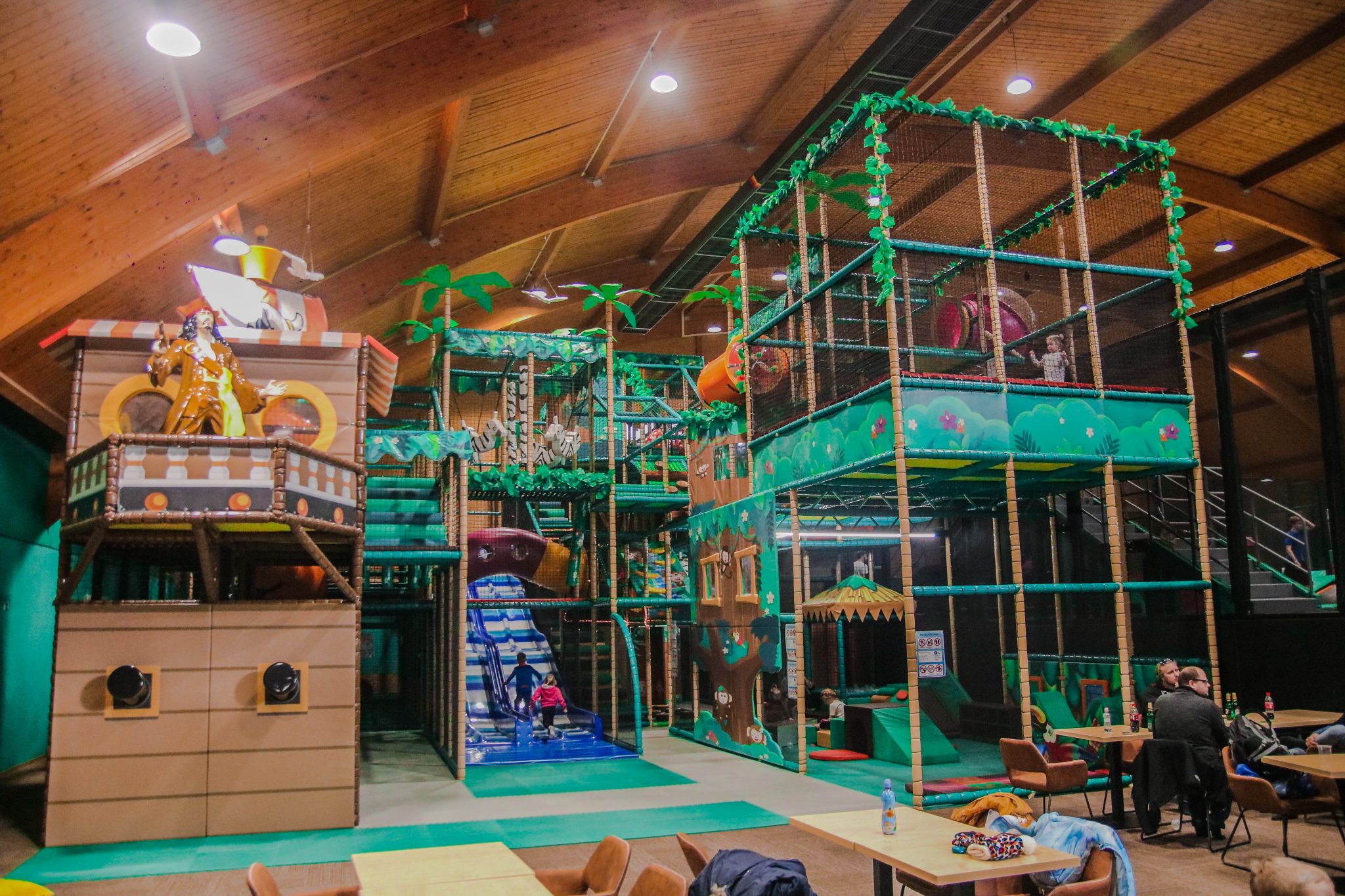
How to Build a Profitable, Fun and Safe Indoor Playground
Indoor playgrounds are no longer just children’s corners — they have become full-scale attractions that drive traffic, increase dwell time and generate steady revenue.
A well-designed play center combines three key factors: safety, entertainment value and smart investment planning. Choosing the right equipment and layout directly impacts customer satisfaction and long-term profitability.
This guide explains which elements matter most and how to design a play space that families love and operators can scale with confidence.
Start with the right concept: the FunPark model
The core of most successful family entertainment centers is a high-capacity play structure — often called a FunPark, climbing maze or soft-play arena.
These multi-level structures maximize space and allow many children to play simultaneously, improving throughput and profitability.
Typical anchor features include:
• climbing towers
• slides and roller slides
• kart or track zones
• multisport courts
• ball pits
• trampolines
• ninja-style obstacles
• rope courses
• interactive challenges
Combining multiple activities in one structure keeps children engaged longer and encourages repeat visits.
Choose certified and durable equipment first
Safety should always come before visual design.
Working with an experienced indoor playground supplier ensures that all indoor playground equipment complies with safety standards, load testing and long-term durability requirements. Certified components reduce liability risks and provide peace of mind for both operators and parents.
Materials should be:
• impact-absorbing
• easy to clean
• fire-resistant
• built for heavy daily use
Professional installation and regular inspections are equally important.
Design areas for different age groups
Not every child plays the same way. Dividing the playground into zones increases safety and improves the overall experience.
When selecting soft play area equipment, prioritize padded and low-height elements for toddlers, while older children benefit from climbing and challenge-based attractions.
Example zoning
| Age group | Recommended features |
| Toddlers | soft blocks, foam animals, crawl tunnels |
| 3–6 years | mini slides, ball pits, small climbing frames |
| 6–10 years | obstacle courses, bridges, walls |
| 10+ years | trampolines, ropes, competitive games |
This structure prevents overcrowding and reduces accidents.
Add revenue-focused extras
Beyond the main play structure, additional services can significantly boost income.
Consider adding:
• party rooms
• themed decor
• seating and café areas
• mini golf
• interactive digital games
• trampolines
• seasonal events
These features extend visit time and create upsell opportunities such as birthdays and group bookings.
Think production quality, not just design
A playground is a long-term investment. Poor construction leads to faster wear, higher maintenance costs and safety issues.
High-quality production standards ensure:
• longer lifespan
• fewer repairs
• better hygiene
• consistent customer experience
Durable systems protect both your brand and your profits.
Key success checklist
| Factor | Why it matters |
| Certified equipment | lowers risk & insurance issues |
| Zoning by age | safer & more enjoyable |
| High capacity | better revenue per m² |
| Extra attractions | higher spending per visit |
| Durable materials | lower long-term costs |
Conclusion
Building an indoor playground that is fun, safe and financially sustainable requires thoughtful planning.
By partnering with professionals, investing in certified equipment and offering diverse attractions, you create a space that excites children while reassuring parents — and generates consistent returns for your business.
Focus on quality first, and profitability will follow.
FAQ
1. What is the most important factor when building an indoor playground?
Safety and certified equipment should always be the top priority.
2. Why work with an indoor playground supplier?
Specialists ensure compliance, durability and professional installation, reducing risks and long-term costs.
3. What equipment works best for toddlers?
Soft, padded and low-height soft play elements designed to minimize falls.
4. How can an indoor playground increase profitability?
Through higher capacity, longer visits, birthday parties and additional paid attractions.
5. How often should playground equipment be inspected?
Daily visual checks and regular professional inspections are recommended.
 See our Instagram

