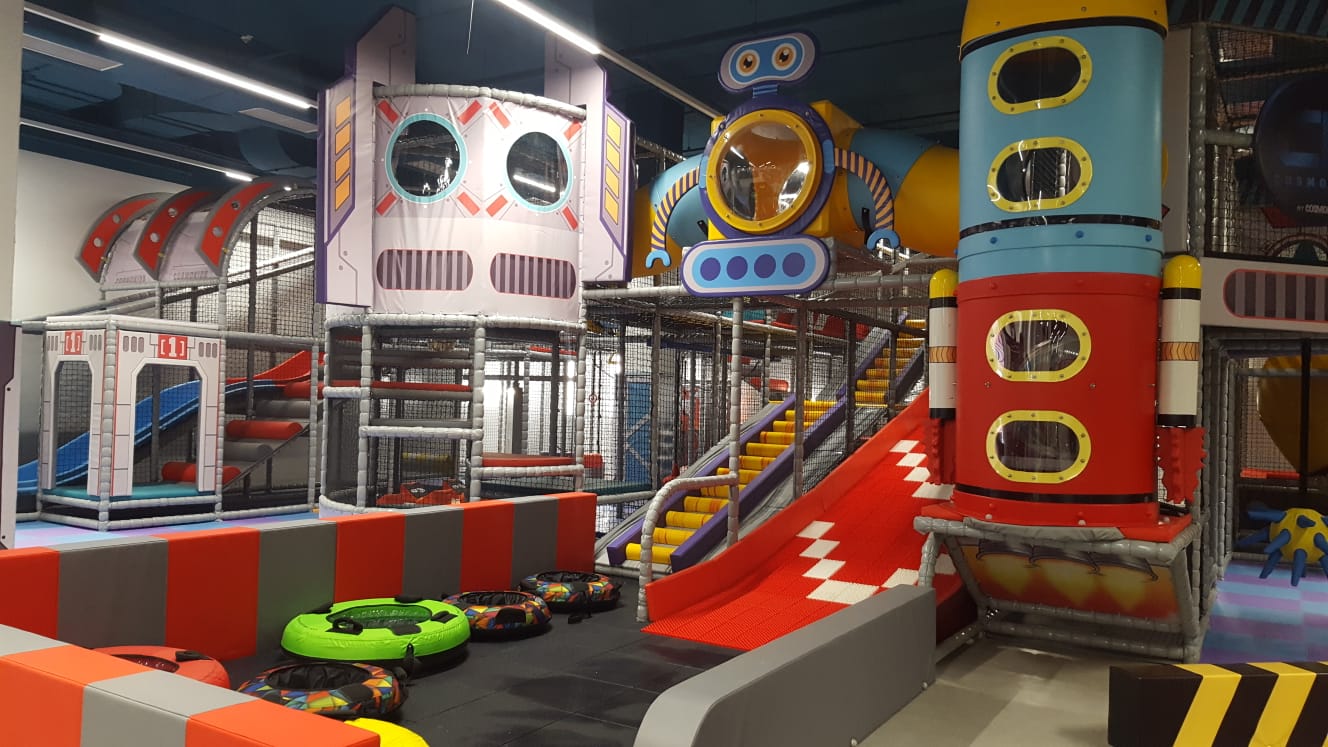
Successful Planning: How Many Square Meters Does Your Indoor Playground Need?
An indoor playground typically requires 500 m² minimum, while most successful Family Entertainment Centers operate between 1,000 m² and 4,500 m², with larger projects reaching up to 10,000 m² or more. The ideal size depends on location, target audience, and whether the playground is standalone or integrated into existing facilities like hotels or shopping centers.
Planning and designing an indoor playground is a complex but highly rewarding process. It involves strategic decisions about space, location, business model, and how the playground integrates into its surroundings. Whether you are working with a standalone concept or planning to incorporate indoor playground equipment into an existing venue, every detail plays a role in long-term success.
If you are at the early planning stage, it’s also crucial to understand how to choose the right indoor playground supplier, as this decision directly impacts design, budget, and long-term profitability.
In this guide, we break down the key factors that determine the ideal size of a Family Entertainment Center (FEC), including average dimensions, minimum requirements, and strategic integration into other businesses.
Average and Maximum Size
Across Central Europe, most indoor playgrounds typically range between 1,000 m² and 4,500 m², with an average size of approximately 2,500 m². This size is considered optimal for offering a wide mix of attractions that appeal to different age groups and maximize visitor engagement.
Larger facilities can extend up to 10,000 m² or more, allowing operators to introduce premium features such as:
- trampoline park equipment
- themed zones
- multi-level play structures
- interactive digital attractions
If you plan to scale your concept, it’s worth considering trampoline park equipment as part of your long-term strategy, as these zones require more space but significantly increase revenue potential.
These larger formats often position themselves as destination venues rather than just local playgrounds, significantly increasing dwell time and average customer spend.
Minimum Size of an Indoor Playground
For a standalone Family Entertainment Center, the minimum recommended size is around 500 m². This space is sufficient to include essential play zones and accommodate visitors, even during peak periods like weekends or holidays.
However, operating at the minimum size comes with limitations:
- fewer attractions
- limited visitor capacity
- reduced revenue potential
A larger space enables more flexibility in design and allows operators to collaborate with soft play suppliers to create diversified zones tailored to different age groups.
From a business perspective, investing in a larger facility early on often leads to stronger long-term returns due to higher capacity, better visitor experience, and increased repeat visits.
Integration into Existing Facilities
One of the most effective strategies today is integrating indoor playgrounds into existing venues such as:
- hotels
- restaurants
- cafés
- shopping centers
This approach allows operators to maximize value without requiring a large standalone footprint. The playground becomes an additional attraction that enhances the overall customer experience.
In recent years, hotels in particular have embraced this model by developing larger indoor playgrounds that closely resemble full-scale FECs. These spaces often go beyond traditional play concepts and include:
- adventure zones
- climbing structures
- kids indoor play equipment
- hybrid entertainment concepts
This strategy not only improves guest satisfaction but also transforms the property into a family destination, attracting external visitors and creating new revenue streams.
Location and Surroundings
The ideal size of an indoor playground is strongly influenced by its location.
Urban areas
- limited and expensive space
- smaller, more efficient concepts perform better
Suburban and rural areas
- more available land
- larger entertainment centers are more viable
Success also depends on nearby synergies, such as:
- shopping malls
- tourist destinations
- resorts
- event venues
A well-chosen location can significantly reduce marketing costs by leveraging existing foot traffic and increasing organic visitor flow.
Key Planning Insigh
| Factor | Impact on size |
| Location | Urban = smaller, Rural = larger |
| Business model | Standalone vs integrated |
| Target audience | Families, tourists, local visitors |
| Budget | Directly affects scale and attractions |
| Revenue goals | Larger space = higher potential |
Final Thoughts
Choosing the right size for your indoor playground is not just a technical decision — it’s a strategic one. While smaller facilities can work in specific environments, larger spaces provide greater flexibility, scalability, and long-term profitability.
Before launching your project, you should also clearly understand indoor playground safety standards, as safety compliance is essential not only for operations but also for building trust and long-term brand credibility.
The most successful projects are those that align size, location, and concept into one cohesive experience that keeps visitors coming back.
Trusted Sources
- IAAPA
- ASTM International
- European Committee for Standardization
FAQ
What is the minimum size for an indoor playground?
The minimum size is approximately 500 m², which allows for a basic setup with essential attractions and visitor capacity.
What is the ideal size for a Family Entertainment Center?
Most successful FECs range between 1,000 m² and 4,500 m², offering a balanced mix of attractions and visitor experience.
Can indoor playgrounds be integrated into hotels or restaurants?
Yes, integrating playgrounds into existing facilities is a growing trend. It enhances customer experience and creates additional revenue streams.
Does a larger indoor playground generate more revenue?
In most cases, yes. Larger facilities can accommodate more visitors, offer more attractions, and increase overall spending per visit.
How important is location when planning an indoor playground?
Location is critical. Urban areas favor smaller concepts, while suburban and rural areas allow for larger, destination-style playgrounds.
 See our Instagram

